

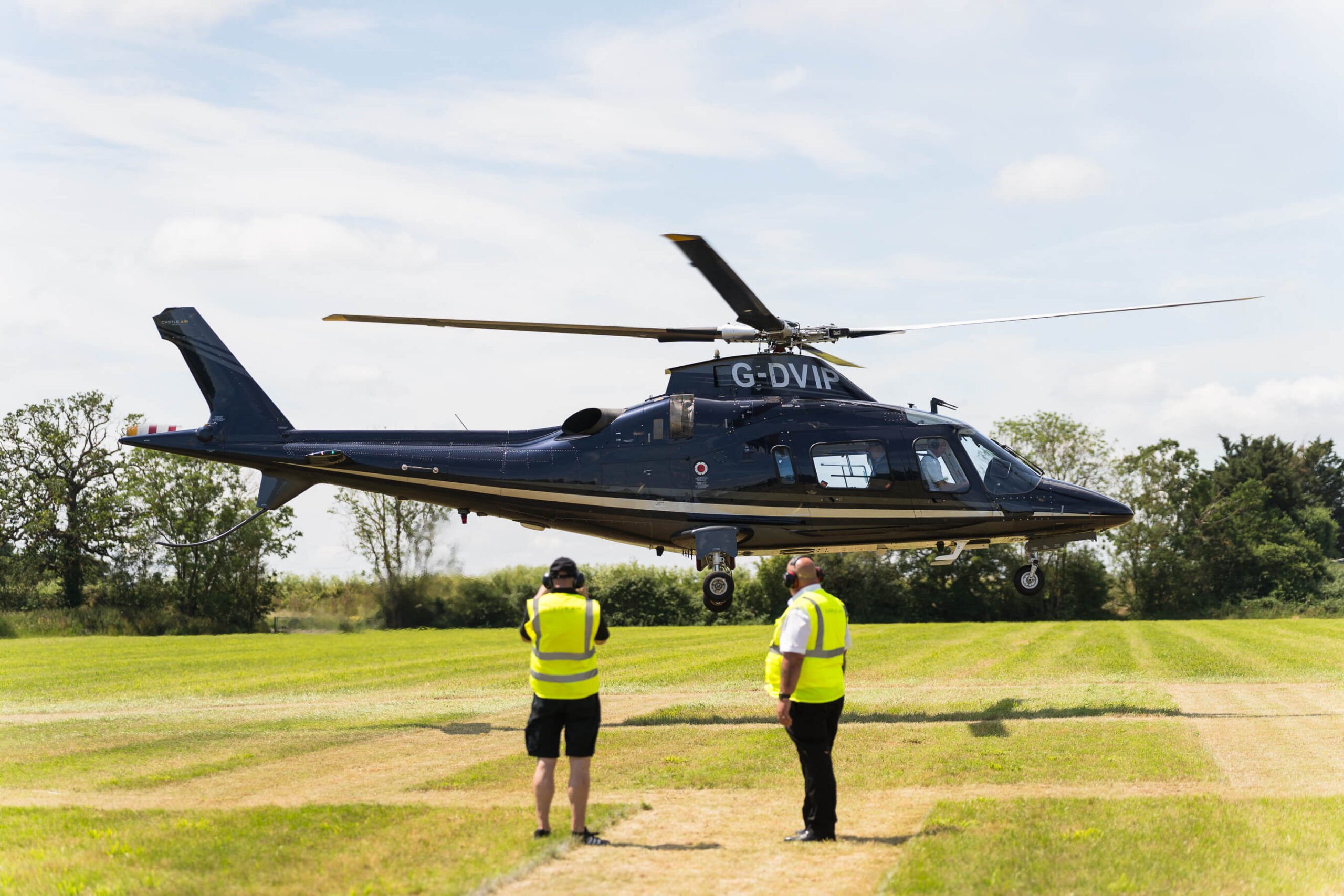
16 Jul Rivenhall IWMF Officially Opens: A New Chapter for Sustainable Waste Management in Essex
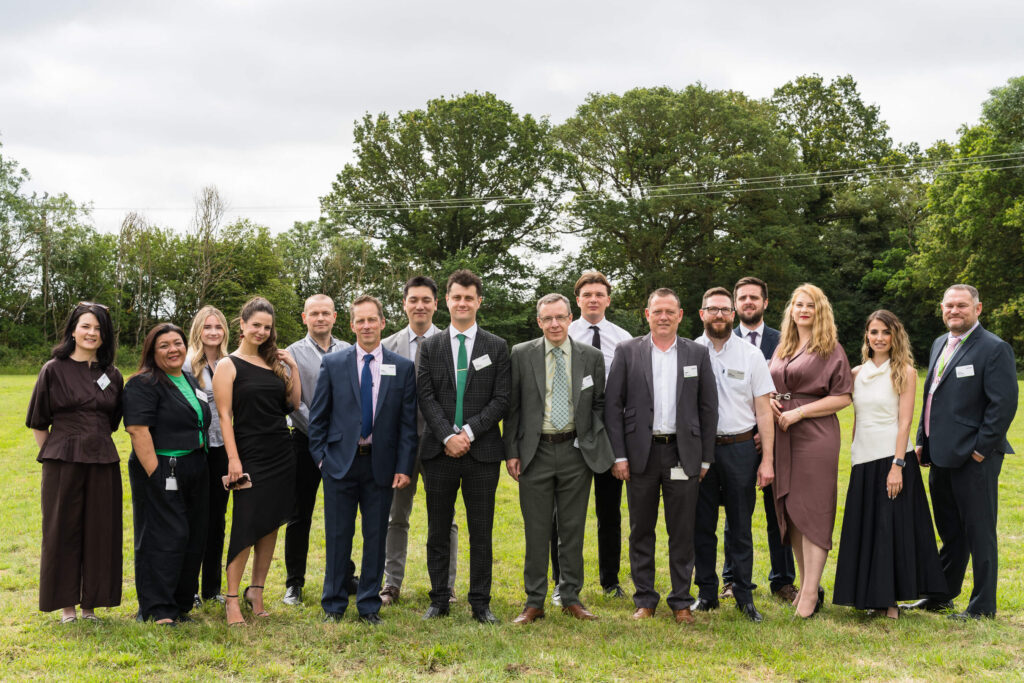
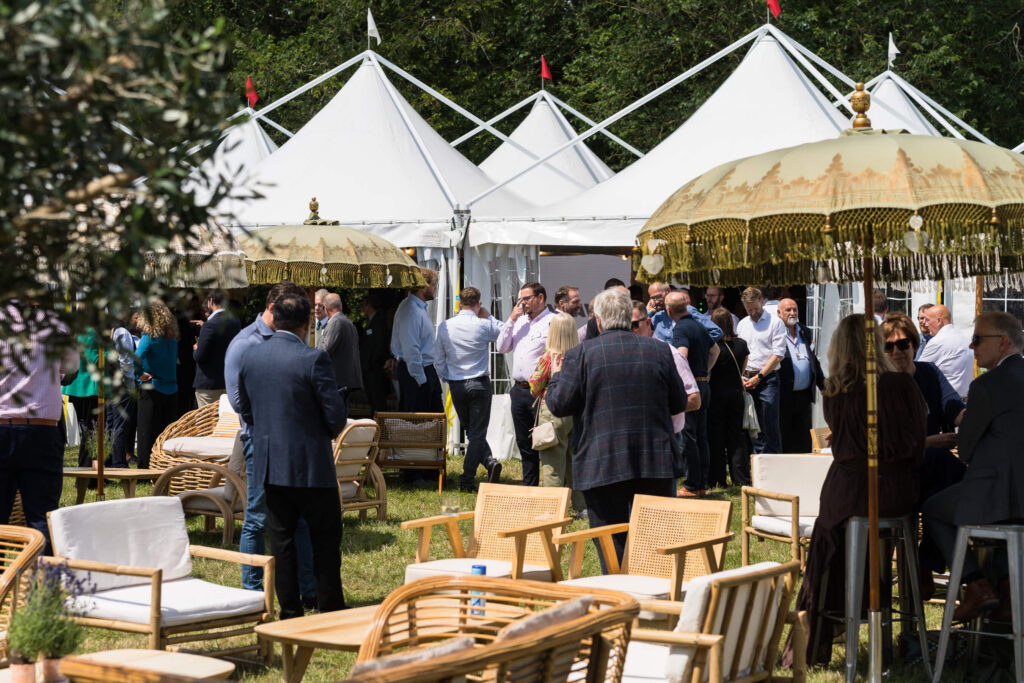
On 18th June 2026, Indaver officially opened the Energy-from-Waste (EfW) facility here at Rivenhall Integrated Waste Management Facility (IWMF), marking a significant milestone for sustainable waste management in Essex and energy infrastructure.
After more than four years of construction, the site is now operational, accepting non-recyclable household and commercial waste and exporting electricity to the National Grid. While this is an important achievement in its own right, the opening represents the beginning of a long-term vision to maximise the value of resources that would otherwise be lost.
A Landmark Investment in Essex
Situated within a former quarry near Silver End, Rivenhall is Indaver’s largest Energy-from-Waste project to date. The facility has been designed to process up to 595,000 tonnes of residual waste every year, diverting waste away from landfill while generating enough electricity to power approximately 125,700 homes.
The £589 million (€680 million) investment has transformed a former quarry site into one of the UK’s most advanced waste recovery facilities. Construction began in 2021 and involved up to 850 people on site at its peak, with more than three million hours worked throughout the project.
Now that operations are underway, the focus shifts is now on delivering reliable waste treatment, renewable energy generation and long-term environmental benefits for the region.
Turning Waste Into A Valuable Resource
Energy-from-Waste plays an increasingly important role in the UK’s transition to a lower-carbon, more resource-efficient economy. While recycling remains the preferred option wherever possible, there will always be waste that cannot be economically or technically recycled.
Rather than sending this residual waste to landfill, facilities like ours recover its embedded energy by generating electricity. This reduces landfill use, supports energy security and helps recover value from materials that would otherwise go to waste.
As John Tatton, General Manager of Rivenhall IWMF, explained at the opening:
“The opening of the waste to energy element of Rivenhall IWMF culminates the first part of exciting times ahead for Indaver. Myself and my team are really proud to be part of Indaver’s success and are looking forward to the challenge of operating this fantastic facility.”
For Indaver, however, generating electricity is only one part of the story.
Building a Circular Economy
One of the themes highlighted during the opening was that Rivenhall has been designed with the future in mind. Indaver’s ambition extends beyond simply recovering energy from waste. The company is exploring how every output from the facility, including heat, electricity, carbon dioxide and bottom ash, can be put to productive use.
Plans are already progressing for a 40-hectare greenhouse development adjacent to the site, which has planning permission. The greenhouses could source around 90% of their heating requirements and all of their electricity and CO₂ from the Energy-from-Waste facility, creating an example of industrial symbiosis in practice.
The project has the potential to support low-carbon food production while reducing reliance on imported produce and conventional gas-heated horticulture.
At the same time, Indaver is continuing to investigate ways of recovering metals and other valuable materials from bottom ash, ensuring even more resources can be returned to the economy.
Supporting Local Communities
Our facility for sustainable waste management in Essex has created long-term employment opportunities, with many employees recruited from nearby towns and villages. As operations continue to develop, Rivenhall will remain an important local employer while supporting businesses across the region.
Community engagement has also been built into the project from the outset. Educational visits, school groups and community organisations are welcomed to the site, helping visitors understand how waste can become a valuable resource and the role modern infrastructure plays in supporting a circular economy.
Visitor facilities currently under development will further strengthen these educational opportunities in the years ahead.
Respecting Remarkable History
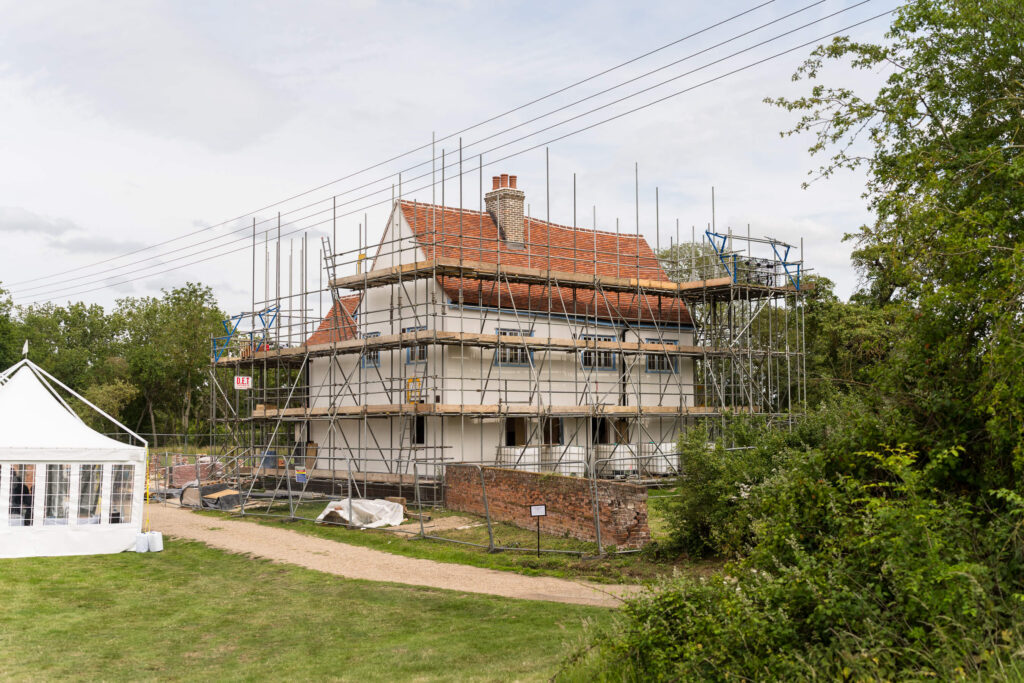
One of the most distinctive aspects of the Rivenhall project has been its commitment to preserving the site’s heritage. Alongside construction of the Energy-from-Waste facility, Indaver has carefully restored the Grade II listed Woodhouse Farm and Brewhouse buildings using traditional craftsmanship, including lime plaster, timber framing and historic joinery techniques.
The restoration has uncovered fascinating chapters of local history, from the original 17th-century moated farmstead through to the site’s wartime role as RAF Rivenhall during the Second World War.
Once completed, the restored buildings will become offices and a visitor centre, allowing both employees and visitors to explore the site’s rich heritage alongside its modern role in sustainable resource recovery.
As Gareth Jones, Project Development Specialist at Indaver Rivenhall, explained, the aim has been to preserve the character of the original buildings while ensuring they meet modern standards for future use.
Biodiversity At The Heart of The Project
Built largely below ground level within a former quarry, the facility has been designed to reduce its visual impact on the surrounding landscape. Existing woodland has been retained wherever possible, while habitat creation and enhancement projects have helped support local wildlife. Environmental stewardship has been a key consideration throughout the development.
The surrounding area is home to deer, hares, bats and protected great crested newts, with extensive measures introduced to safeguard habitats through woodland management, ponds, planting schemes and biodiversity enhancements.
The project demonstrates that major infrastructure can coexist with environmental protection when sustainability is considered from the earliest stages of design.
An Exciting New Chapter
As Rivenhall IWMF ramps up towards full capacity, it will play an increasingly important role in sustainable waste management in Essex, help to generate low-carbon electricity and support the UK’s transition towards a circular economy.
For Indaver, the vision goes even further. By recovering energy, valuable materials, heat and carbon, supporting local employment, preserving heritage and enabling future food production, Rivenhall represents a modern approach to resource management, focusing on creating lasting value for communities, industry and the environment.
We’re excited to see what the start of this new chapter brings. To keep up to date with the Rivenhall IWMF community news:
- Follow us on LinkedIn
- Got a query? Head to our contact form
- Seek further information over on our FAQs page